
What Is Local SEO? Why It Matters for Small Businesses
Local SEO is the practice of optimizing a business's online presence to be more visible in local search results. Unlike traditional SEO, which focuses on broad national or global reach, local SEO targets specific geographic locations, helping small businesses connect with nearby customers who are ready to purchase immediately.
What is local SEO and how does it work?
Local search engine optimization functions as a specialized branch of digital marketing that focuses on optimizing a website to be found in local search results. When a user searches for a service followed by a location, or uses phrases like "near me," Google utilizes a different set of ranking signals to provide the most relevant local answers. This includes the user’s physical location, the proximity of the business, and the relevance of the business's services to the search query. For a small business, this means that even if you lack the massive budget of a multinational corporation, you can still dominate your local neighborhood or city by appearing at the top of the Home page results for those specific, high-intent searches.
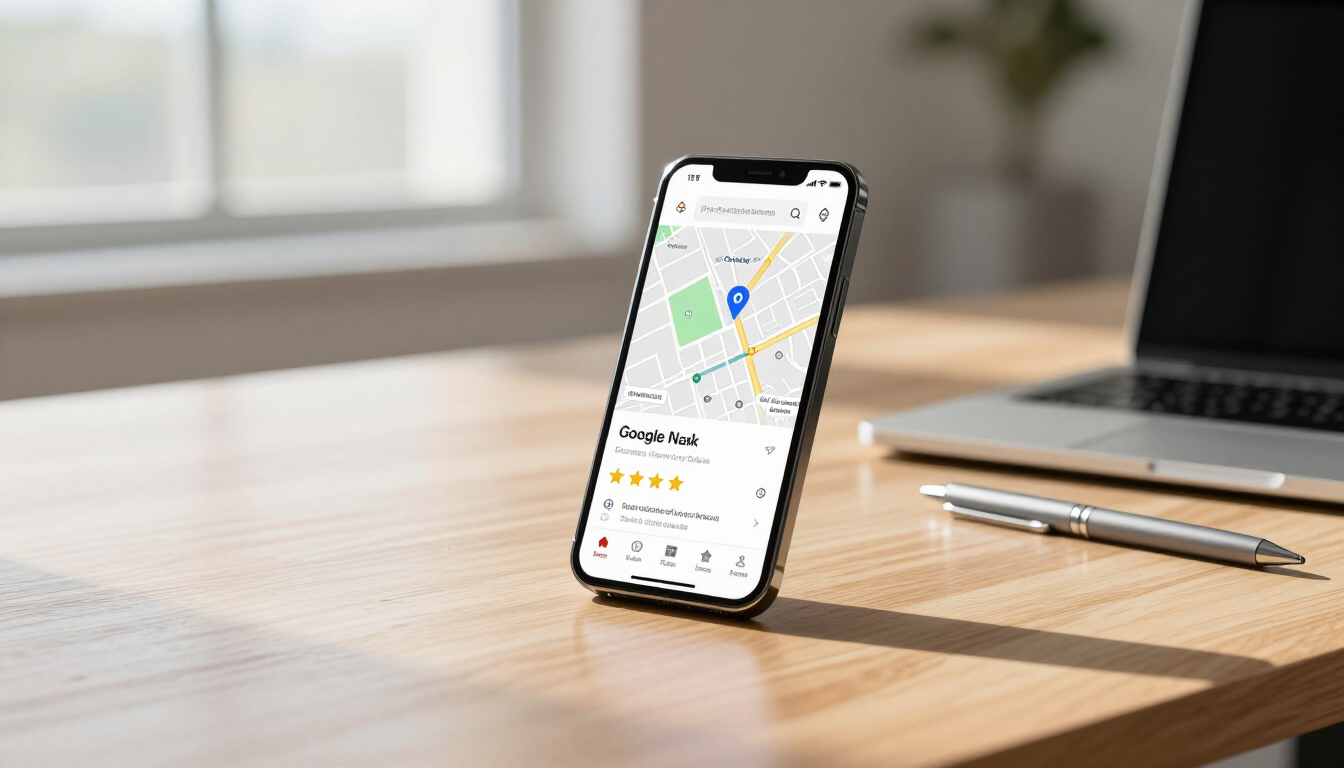
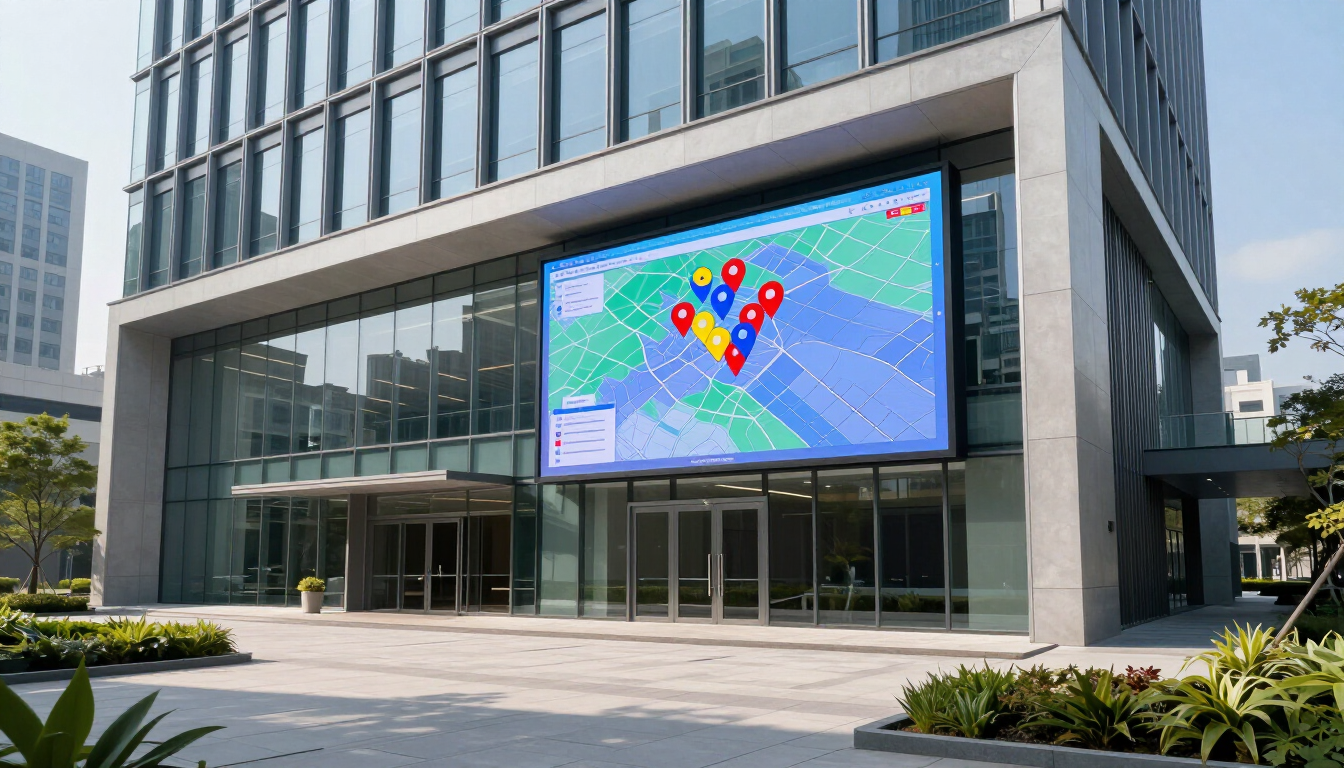
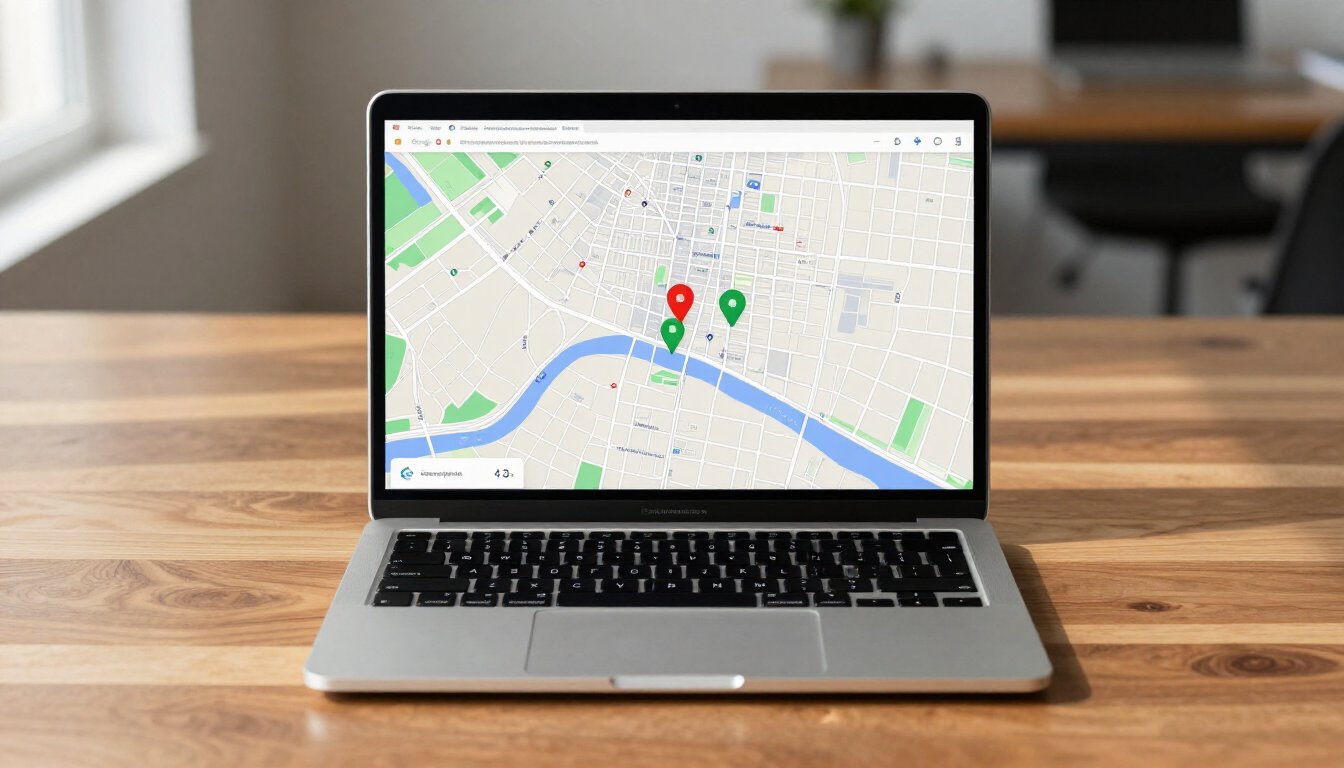
The mechanics behind local SEO rely heavily on the "Local Pack" or "Map Pack." This is the block of three business listings that appear at the top of Google’s search results, accompanied by a map. Securing a spot in this pack is the holy grail for local establishments. To achieve this, search engines look for consistency across the web regarding your business name, address, and phone number (NAP). They also analyze the quality of your Google Business Profile and the sentiment of your customer reviews. By aligning these elements, you signal to the algorithm that your business is a legitimate, trustworthy, and prominent fixture in the local community.
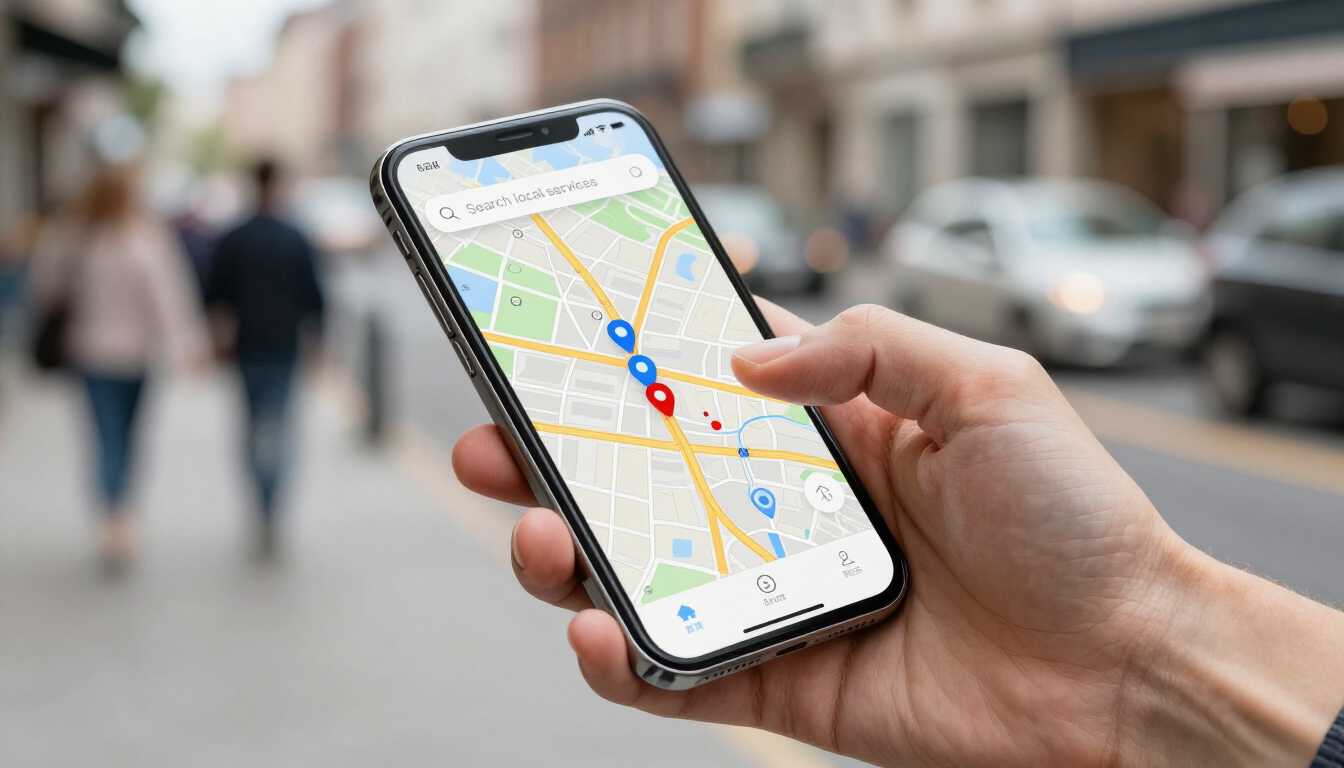
As you explore our Blog for more technical insights, you will find that local search is inherently mobile-driven. Most people searching for local services are doing so on their smartphones while on the move. This physical proximity creates a sense of urgency that traditional, information-based SEO rarely captures. Local SEO bridges the gap between digital discovery and physical foot traffic, ensuring that your storefront is the one they see when they are just blocks away.
Why is local SEO more important than general SEO for small businesses?
For a small business owner, general SEO can often feel like trying to boil the ocean. If you run a boutique coffee shop in Cape Town, competing for the keyword "coffee" against global giants is a losing battle. However, competing for "best artisan coffee in Gardens" is a winnable game. Local SEO matters more because it levels the playing field, allowing small players to win in their specific niche without needing to outrank every website on the internet. It provides a direct line to consumers who have a high "commercial intent," meaning they are much further along in the buying cycle and are looking for a place to spend their money right now.
Furthermore, local SEO offers a much higher return on investment (ROI) for limited marketing budgets. By focusing your efforts on a five-to-ten-mile radius around your physical location, you eliminate wasted clicks from users who could never realistically visit your store. Traditional SEO might bring you traffic from the other side of the world, which looks good in analytics but does nothing for your bottom line. Local SEO ensures that every visitor to your site or profile is a potential customer. This hyper-targeting is why small businesses must prioritize local strategies to survive in an increasingly digital marketplace.
Core components of a local search strategy
To build a robust presence, you must focus on the pillars of local visibility. These are the foundational elements that tell Google who you are and where you operate. Without these, your business remains invisible to the very people walking past your door every day.
- Google Business Profile Optimization: Your digital storefront.
- NAP Consistency: Identical data across all directories.
- Local Keyword Research: Finding what neighbors actually type.
- Customer Review Management: Building social proof and trust.
- Location Pages: Dedicated pages for each physical branch.
By integrating these components into your broader Ecosystem of digital assets, you create a network of signals that boost your authority. It is not just about having a website; it is about having a presence that exists wherever your customers are looking. Whether they are on Google Maps, Apple Maps, or local directories like Yellow Pages, your information needs to be accurate and compelling. A failure in even one of these areas—such as a wrong phone number—can result in lost revenue and a drop in search rankings as search engines lose confidence in your data's reliability.
How can you optimize your Google Business Profile?
Your Google Business Profile (GBP) is arguably the most important tool in your local SEO arsenal. To optimize it, you must start by claiming and verifying your listing. Once verified, every field must be filled out with precision. This includes choosing the correct primary and secondary business categories, adding high-quality photos of your interior and exterior, and listing your specific hours of operation. A common mistake small businesses make is being too vague; the more detail you provide, the easier it is for Google to match you with a specific user query.
Updating your profile regularly with "Posts" is also a significant ranking factor. These posts allow you to share updates, offers, and events directly on the search results page. Think of it as a mini-social media feed that speaks directly to people searching for your services. Additionally, you should actively encourage and respond to customer reviews. A business that engages with its customers—both positive and negative—signals to Google that it is active and cares about the consumer experience. High ratings and frequent reviews are among the strongest signals for the Local Pack.
Local SEO vs. traditional SEO: key differences
While both strategies share the common goal of increasing visibility, their methodologies differ significantly. Traditional SEO is concerned with "Domain Authority" and backlinks from high-traffic global sites. It prioritizes information and education, aiming to rank for broad terms that might take years to achieve. In contrast, local SEO is obsessed with "Proximity, Prominence, and Relevance." It values citations from local chambers of commerce and reviews from people within your city over a backlink from a national news site that has no local ties.
Another key difference is the search intent. Traditional SEO often targets users in the awareness stage—people looking for "how-to" guides or general information. Local SEO targets users in the decision stage. When someone searches for "emergency plumber near me," they aren't looking for a blog post on how to fix a pipe; they are looking for a phone number to call immediately. Understanding this shift in intent allows small businesses to tailor their content to provide instant solutions, which leads to higher conversion rates and faster growth compared to broad-reach strategies.
What are the top local ranking factors in 2026?
As search algorithms evolve, the factors that determine your local rank become more sophisticated. In 2026, the prominence of "User Experience Signals" has reached an all-time high. Google now measures how users interact with your local listing. Do they click to call? Do they ask for directions? How long do they spend looking at your photos? These behavioral signals tell Google whether your business is actually serving the needs of the local community. Beyond behavior, the relevance of your website content to the local area remains paramount. Mentioning local landmarks, neighborhood names, and community events on your site helps anchor your business to a specific place.
Voice search has also become a dominant factor in local rankings. With the rise of AI assistants, more users are asking natural language questions like, "Where can I find a vegan restaurant that is open now?" To rank for these queries, your local SEO must include conversational keywords and structured data (schema markup). Schema tells search engines exactly what your data means, such as your price range, menu items, or service areas. Without this technical layer, you risk being overlooked by AI-driven search engines that prioritize structured, easily digestible information.
Driving real results with local intent
For small businesses in South Africa, the competitive landscape is shifting. Whether you are in Johannesburg, Cape Town, or Durban, the ability to be found at the moment of need is the difference between a thriving business and a struggling one. Local SEO is not a "set it and forget it" task; it requires ongoing attention to citations, reviews, and content updates. However, the effort is well worth it. When you align your digital presence with local intent, you aren't just getting traffic—you are getting customers. If you're ready to scale your visibility, you can Contact our team to build a strategy that works for your specific region.
In conclusion, local SEO is the most effective way for small businesses to compete with larger corporations. By focusing on proximity and relevance, you can win the battle for local attention. Remember that your goal is to be the obvious choice for your neighbors. If you provide a great service and back it up with a solid local search strategy, the growth will follow naturally. Start by claiming your profile, cleaning up your NAP data, and asking your best customers for reviews today.
- Focus on proximity: Target your immediate neighborhood first.
- Prioritize mobile: Ensure your site loads fast on cell phones.
- Gather reviews: Make social proof a daily business habit.
- Use local keywords: Include city and suburb names in your text.
- Stay consistent: Keep your business information identical everywhere online.
By following these steps, you ensure that your business remains relevant and reachable. Local SEO is the foundation of modern small business marketing. It turns the vast internet into a local marketplace where you can truly shine. Don't wait for the competition to catch up; take control of your local search presence now and watch your physical and digital traffic grow in tandem.