

What Are 'Near Me' Searches? (Rank Higher in 2026)
'Near me' searches are local intent queries where users look for products or services in their immediate vicinity (e.g., "coffee shop near me"). Google uses the user's geolocation and business proximity to provide relevant, local results, primarily through the Local Pack and Google Maps environments.
What Are 'Near Me' Searches and Why Do They Matter?
In the modern digital landscape, the phrase "near me" has become a cornerstone of consumer behavior. When a user types "plumber near me" or "best pizza in Cape Town" into their smartphone, they are expressing a high-degree of purchase intent. They aren't just looking for information; they are looking for a solution that is physically close to them. For businesses in South Africa, capturing these searches is the difference between a thriving storefront and a digital ghost town. As mobile usage continues to climb, Google has refined its algorithms to prioritize location data, ensuring that the most relevant, closest options appear at the very top of the Search Engine Results Page (SERP).
This shift toward hyper-localization means that your digital presence must be anchored to a specific physical location. Whether you operate a single boutique in Stellenbosch or a national chain with branches across Gauteng, the mechanism remains the same. Google looks at the user’s GPS data or IP address and matches it against the business data available in its index. If your business isn't optimized for these proximity-based queries, you are effectively invisible to the most motivated customers in your area. Understanding this dynamic is the first step toward building a resilient local SEO strategy that drives real-world traffic to your doors.
The Evolution of Hyper-Local Intent
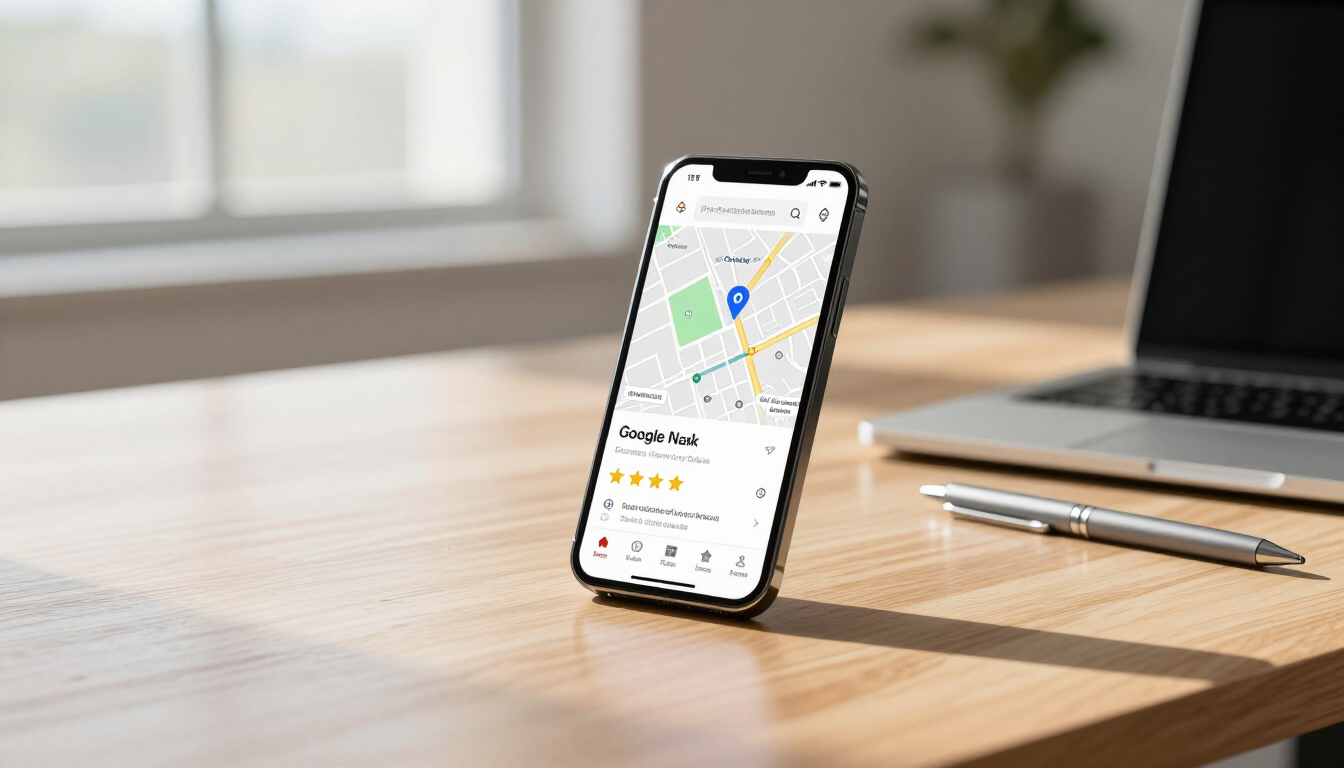
The way we search has changed drastically over the last decade. Previously, users might have typed "florist Johannesburg" to find a gift. Today, they simply type "florist" and expect Google to know exactly where they are standing. This evolution is driven by the "I-want-to-go" micro-moment. Google identifies these moments and triggers the Local Pack—a map-based result showing the top three businesses that meet the criteria. If you want to explore more about how these systems integrate, you can view our Ecosystem page for a broader look at digital connectivity.
To succeed here, you must understand the components of a 'near me' query:
- The specific service or product requested.
- The implied or explicit geographic boundary.
- The user's current physical coordinates.
- The historical search behavior of the user.
- The device being used for the search.
How Does Google Determine Which Businesses Rank for 'Near Me' Searches?
Google’s local ranking algorithm is built on three primary pillars: Relevance, Distance, and Prominence. Each of these factors plays a critical role in deciding whether your business appears in the coveted top three spots of the Local Pack. Relevance refers to how well a local business profile matches what someone is searching for. If you provide detailed business information, the algorithm can better understand your business and match your profile to relevant searches. This is why having a complete and detailed Google Business Profile (GBP) is no longer optional; it is a requirement for survival in the local market.
Distance is perhaps the most literal factor. It considers how far each potential search result is from the location terms used in a query. If a user doesn't specify a location, Google will calculate distance based on what's known about their location. Finally, Prominence refers to how well-known a business is. Some places are more prominent in the offline world, and search results try to reflect this in local ranking. For example, famous museums, landmark hotels, or well-known retail brands are also likely to be prominent in local search results. Prominence is also based on information that Google has about a business from across the web, such as links, articles, and directories.
Essential Pillars of a Local SEO Strategy
To ensure your business shows up, you need a multi-faceted approach. You cannot rely on proximity alone, as your competitors may be just as close but more "prominent" in Google's eyes. You must build a foundation that signals authority and reliability to the search engine. This involves both on-page elements on your website and off-page signals from across the internet. If you're looking for more insights into these strategies, check out our Blog for updated industry tips.
Key pillars for your local strategy include:
- A fully optimized Google Business Profile.
- Consistent NAP (Name, Address, Phone) data.
- High-quality, localized website content.
- A robust portfolio of customer reviews.
- Local backlinks from reputable South African sites.
How to Optimize Your Google Business Profile for Proximity?
Your Google Business Profile is the most important asset for 'near me' search success. It serves as your digital storefront and the primary source of data for Google Maps. To optimize it, you must start with the basics: ensure your business name is exactly as it appears in the real world—avoid keyword stuffing here, as it can lead to suspension. Select the most accurate primary category for your business and add relevant secondary categories. A common mistake is being too broad; if you are a "Vegan Restaurant," don't just settle for "Restaurant" as your primary category.
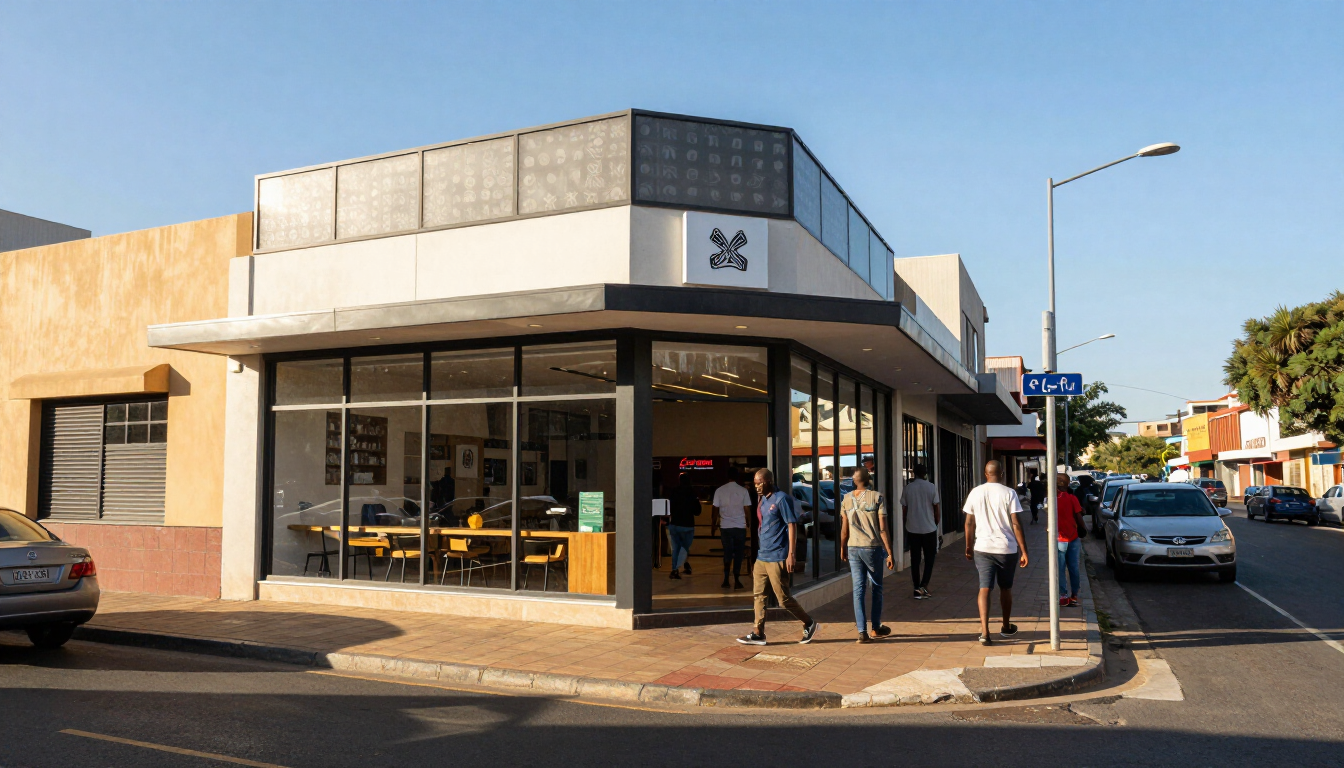
Furthermore, high-quality photos are a massive ranking signal. Google’s AI can actually "see" what is in your photos, so including pictures of your storefront, your interior, and your products helps confirm your relevance. You should also utilize the "Posts" feature to share updates, offers, and events. These posts signal to Google that your business is active and providing value to the community. Regularly updating your hours, especially for public holidays in South Africa, prevents customer frustration and builds trust with the algorithm. Accuracy is the cornerstone of local visibility.
Strategies for Improving Local Prominence and Trust
Prominence is often the tie-breaker in competitive local markets. If two businesses are equidistant from a user, Google will favor the one that appears more trustworthy and popular. One of the best ways to build this is through local citations. A citation is any mention of your business online, usually in a directory like Yellow Pages SA or Brabys. These mentions must be perfectly consistent. If one site lists you as "Main St" and another as "Main Road," Google might get confused about your actual location, which dilutes your proximity signals.
Beyond directories, focus on building a local link profile. This means getting mentioned by local news outlets, community blogs, or other businesses in your neighborhood. If a popular Cape Town lifestyle blog links to your bakery, it sends a strong signal to Google that you are a prominent fixture in the Cape Town area. This kind of local authority is difficult to fake and highly valued by search engines. To discuss how we can help you build these connections, feel free to reach out via our Contact page.
Can Voice Search Change the Way 'Near Me' Results Work?
Voice search is rapidly changing the landscape of local SEO. With the rise of smart speakers and mobile assistants like Siri and Google Assistant, users are asking questions in a more conversational tone. Instead of typing "dentist Sandton," they might ask, "Hey Google, where is the nearest dentist that is open now?" This shift requires a focus on long-tail keywords and natural language processing. Your content should answer these direct questions clearly and concisely to ensure you are the answer provided by the voice assistant.
To prepare for this, ensure your website includes a frequently asked questions (FAQ) section that uses natural language. Think about the specific questions your customers ask when they are nearby. Do they ask about parking? Do they ask about specific brands you carry? Answering these questions on your site provides Google with the "snippets" it needs to satisfy voice queries. The more you sound like a local expert, the more likely you are to be recommended by AI-driven search tools.
The Future of Local Search in South Africa
As we look toward the future, local search will become even more integrated into our daily lives. Augmented Reality (AR) in Google Maps is already starting to overlay business information directly onto the camera view of the street. For South African businesses, this means that the accuracy of your digital data is more critical than ever. The distinction between the digital and physical worlds is blurring. Those who master the art of 'near me' search now will be the leaders in their local markets for years to come. It requires constant monitoring, responding to feedback, and adapting to new search behaviors.
To stay ahead of the competition, consider these final action steps:
- Audit your NAP consistency across all platforms.
- Actively solicit and respond to all reviews.
- Upload new, geo-tagged photos every month.
- Create location-specific landing pages on your site.
- Monitor your Local Pack rankings regularly.
To dominate 'near me' searches, you must prioritize your Google Business Profile, maintain perfect data consistency, and build local prominence through reviews and links. By focusing on relevance, distance, and prominence, your business can capture high-intent customers exactly when they are ready to buy. Success in local SEO requires a commitment to accuracy and a proactive approach to community engagement. Start by claiming your profile and ensuring your details are correct, then move toward building the authority that makes you the obvious choice for local users.
Core Takeaways for Local Success:
- Claim and verify your Google Business Profile immediately.
- Ensure your address and phone number are consistent everywhere.
- Focus on gathering positive, detailed reviews from local customers.
- Use natural language and questions in your website content.
- Regularly update your profile with fresh photos and posts.