

How Voice Search Changes Local SEO in 2026 (5 Steps)

24 August 2026

Share this article

Voice search local SEO is the practice of optimizing your business visibility for conversational, spoken queries. It focuses on natural language, long-tail keywords, and structured data to help AI assistants—like Siri and Alexa—provide immediate, accurate answers to 'near me' location-based requests from potential customers today.

Why is voice search important for local SEO today?

The rise of smart speakers and mobile AI assistants has fundamentally shifted how consumers interact with search engines. In the current landscape, more than half of all mobile users leverage voice search to find information on the go. For a local business, this represents a massive opportunity. When a user asks, "Where is the best coffee shop near me?" or "Find a plumber open now," they aren't looking for a list of blue links. They are looking for a single, definitive answer. If your business isn't optimized for these conversational queries, you essentially disappear from the voice-activated marketplace.

Voice search is intrinsically tied to local intent. Statistics show that voice-based queries are three times more likely to be local in nature compared to text searches. This means the stakes are higher for businesses in South Africa that rely on foot traffic or local service delivery. By embracing voice search optimization, you are not just keeping up with trends; you are positioning your brand to be the primary recommendation made by AI. This transition from traditional Search Engine Optimization (SEO) to Answer Engine Optimization (AEO) is the defining challenge for modern digital marketing.

Person using voice search in a busy city

How voice queries differ from text-based searches

When we type into a search bar, we tend to use shorthand or "computer-speak." A user might type "emergency plumber Cape Town." However, when using voice, that same user will speak in full, natural sentences: "Hey Siri, who is the most reliable emergency plumber in Cape Town that is open right now?" This shift from fragmented keywords to full-sentence questions requires a complete rethink of content strategy. Spoken queries are longer, more specific, and carry much clearer intent.

Key differences include:

  • Length and phrasing: Voice queries are typically 5–10 words long.
  • Question-based structure: Most voice searches start with Who, What, Where, When, or How.
  • Local urgency: Spoken searches often include phrases like "near me" or "open now."
  • Conversational tone: The language is informal and mimics human-to-human interaction.
  • Outcome focus: Users expect an immediate, actionable result or a specific direction.

Understanding these nuances is the first step in adapting your Home page and service descriptions to meet the needs of the modern consumer. You must stop writing for algorithms and start writing for people who are talking to their devices while driving, cooking, or walking.

How do people use voice search to find local businesses?

Consumer behavior during a voice search is often categorized by "micro-moments." These are intent-rich moments when a person turns to a device to act on a need—to know, to go, to do, or to buy. For local businesses, the "to go" and "to buy" moments are critical. A person might be driving and ask their car’s interface for the nearest petrol station or a highly-rated Italian restaurant. The AI retrieves data from local directories, maps, and website metadata to provide the answer.

In many cases, the user never even looks at a screen. The assistant reads out the name, rating, and distance of the top result. If you aren't the top result, you don't exist in that moment. This "winner-takes-all" environment is why AEO is so crucial. By providing clear, concise information that answers specific local questions, you increase the likelihood of being the chosen result. You can explore more about these trends on our blog where we dive deeper into consumer behavior and digital shifts.

Identifying the best long-tail keywords for voice

Traditional keyword research often focuses on high-volume, short-tail terms. While these are still valuable for broad SEO, voice search requires a focus on long-tail, conversational phrases. You need to identify the exact questions your customers are asking. Tools like "Answer the Public" or Google's "People Also Ask" section are goldmines for this. Instead of targeting "SEO services," a South African agency should target "How can I improve my local business ranking in South Africa?"

To find these keywords, consider the following:

  • Audit your customer service emails: What questions do people frequently ask?
  • Use natural language: Think about how a friend would ask for your services.
  • Focus on problem-solving: Voice search is often about solving an immediate pain point.
  • Include local landmarks: Mentioning specific neighborhoods or landmarks helps anchor your location.
  • Target specific niches: Move from broad categories to specific service offerings.
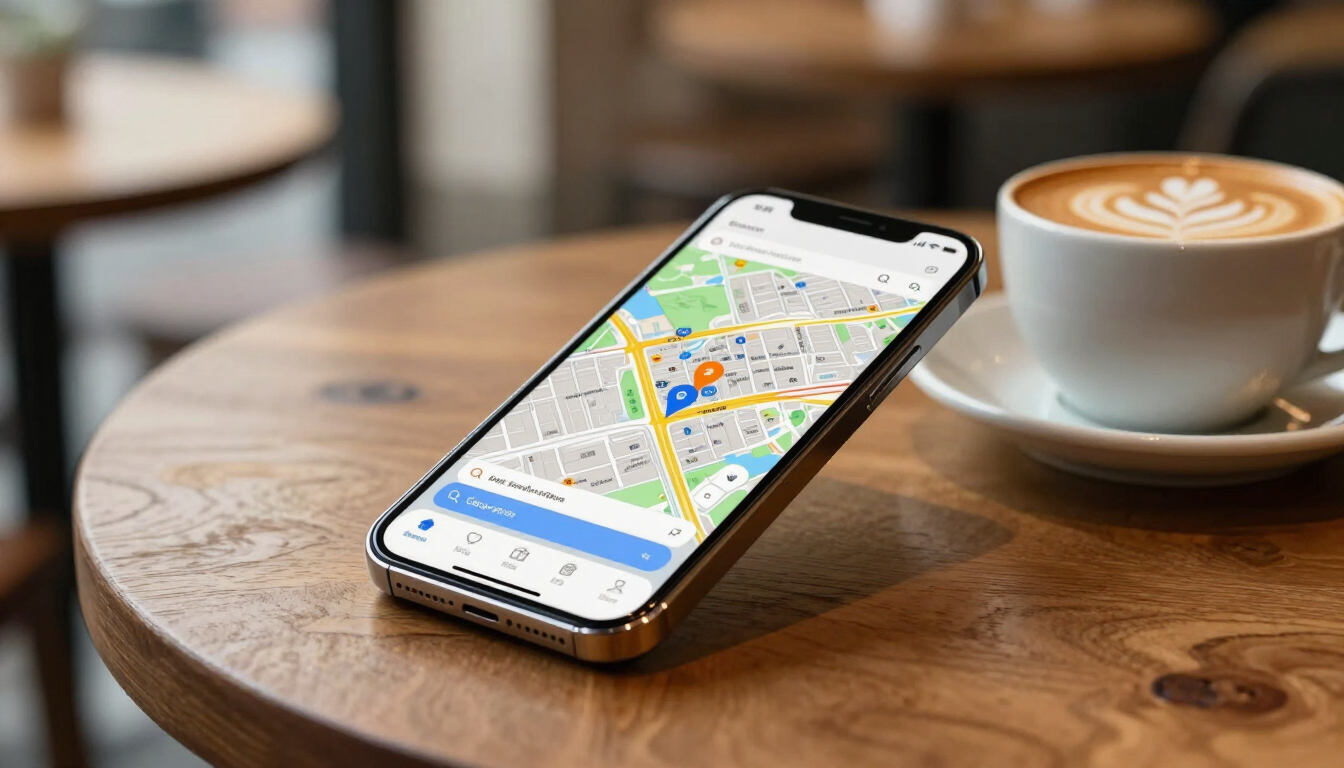
Local search results on a smartphone

What role does Google Business Profile play in AEO?

Your Google Business Profile (GBP) is the cornerstone of voice search for local SEO. When Google Assistant answers a local query, it draws heavily from the data in your GBP. If your profile is incomplete, inaccurate, or has poor reviews, you are unlikely to be recommended. Accuracy in your Name, Address, and Phone Number (NAP) is non-negotiable. Even a slight discrepancy between your website and your GBP can confuse AI agents and lower your trust score.

Furthermore, the "Attributes" section of your profile allows you to provide the specific details that voice searchers crave. Do you offer free Wi-Fi? Is there wheelchair access? Are you women-led? By checking these boxes, you provide the data points that allow an AI to answer very specific queries like, "Where is a wheelchair-accessible cafe nearby?" Regularly updating your profile with posts, photos, and responding to reviews also signals to the algorithm that your business is active and reliable.

Technical optimization for conversational search

Technical SEO provides the infrastructure that allows search engines to understand the context of your content. For voice search, Schema Markup (Structured Data) is the most powerful tool at your disposal. Schema is a code that you put on your website to help search engines return more informative results for users. By using LocalBusiness schema, you can explicitly tell search engines your hours, your price range, and your exact coordinates.

Beyond schema, site speed and mobile responsiveness are vital. Most voice searches happen on mobile devices, often on cellular networks that might be slower than home Wi-Fi. If your site takes too long to load, Google's AI will prioritize a faster competitor. Ensure your images are optimized, your server response time is low, and your design is thumb-friendly. If you need help auditing your site’s technical health, feel free to Contact us for a consultation.

How to structure your content for Featured Snippets?

To win the voice search game, you need to aim for "Position Zero"—the Featured Snippet. This is the summary of an answer that appears at the very top of Google’s results. When a voice assistant provides an answer, it almost always reads from this snippet. To structure your content for this, you should adopt the inverted pyramid style of writing: provide the most important information first, followed by supporting details.

Effective content structuring includes:

  • Using H2 and H3 tags as questions: Directly mirror the user's query.
  • Providing concise answers: Keep your definition paragraphs between 40 and 50 words.
  • Using bulleted lists: Lists are extremely easy for AI to parse and read aloud.
  • Adding an FAQ section: This is a natural way to include many long-tail voice keywords.
  • Maintaining a conversational tone: Avoid overly academic or technical jargon.

By organizing your service pages and blog posts this way, you make it incredibly easy for Google to extract the exact answer a user is looking for, increasing your chances of being the "chosen one" in a voice search result. This approach is a core part of the Ecosystem of local search visibility we build for our clients.

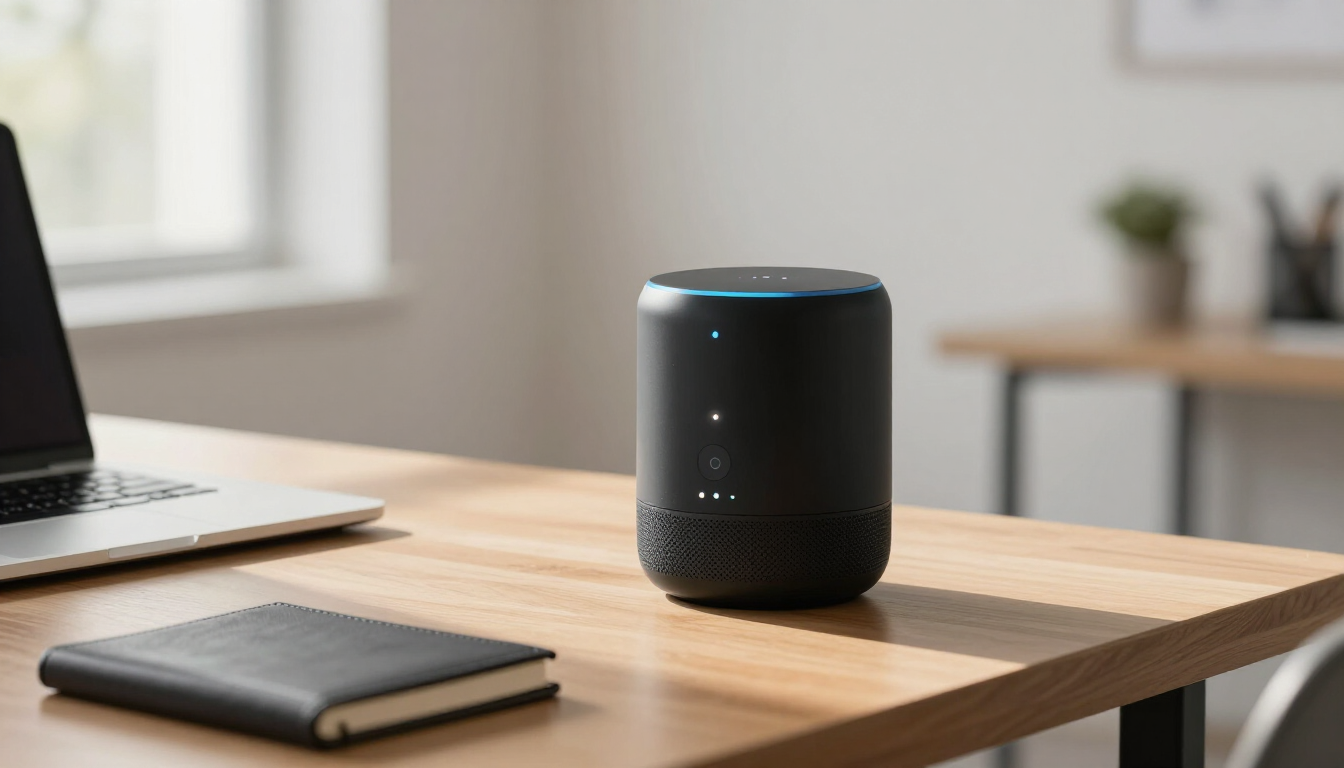
Smart speaker in a modern office

Summary of next steps for business growth

Voice search is not a passing fad; it is the evolution of how humans interact with technology. As AI becomes more integrated into our daily lives, the demand for immediate, spoken answers will only grow. To ensure your business remains relevant and visible, you must pivot your strategy toward conversational search and Answer Engine Optimization. By focusing on natural language, maintaining a robust Google Business Profile, and implementing technical schema, you can dominate the local search landscape in 2026.

To recap, here are your immediate action items:

  • Claim and optimize your Google Business Profile with 100% accuracy.
  • Rewrite key headers as natural-language questions that customers actually ask.
  • Implement LocalBusiness Schema to give AI the structured data it needs.
  • Target long-tail keywords that reflect how people speak, not just how they type.
  • Focus on mobile speed to ensure your site loads instantly for users on the go.

Adapting to voice search requires a shift in mindset, but the rewards—increased visibility, higher trust, and more local customers—are well worth the effort.

Recent Posts

A magnifying glass over a local map highlighting business growth and SEO wins.
24 August 2026
Discover 5 high-impact local SEO wins you can achieve in 30 days. Perfect for businesses using a free trial to boost South African search visibility and drive real results.

Digital growth visualization over a South African cityscape
24 August 2026
Discover the real monthly financial loss for South African businesses invisible on Google. Learn how Local SEO turns searches into sales in 2026.
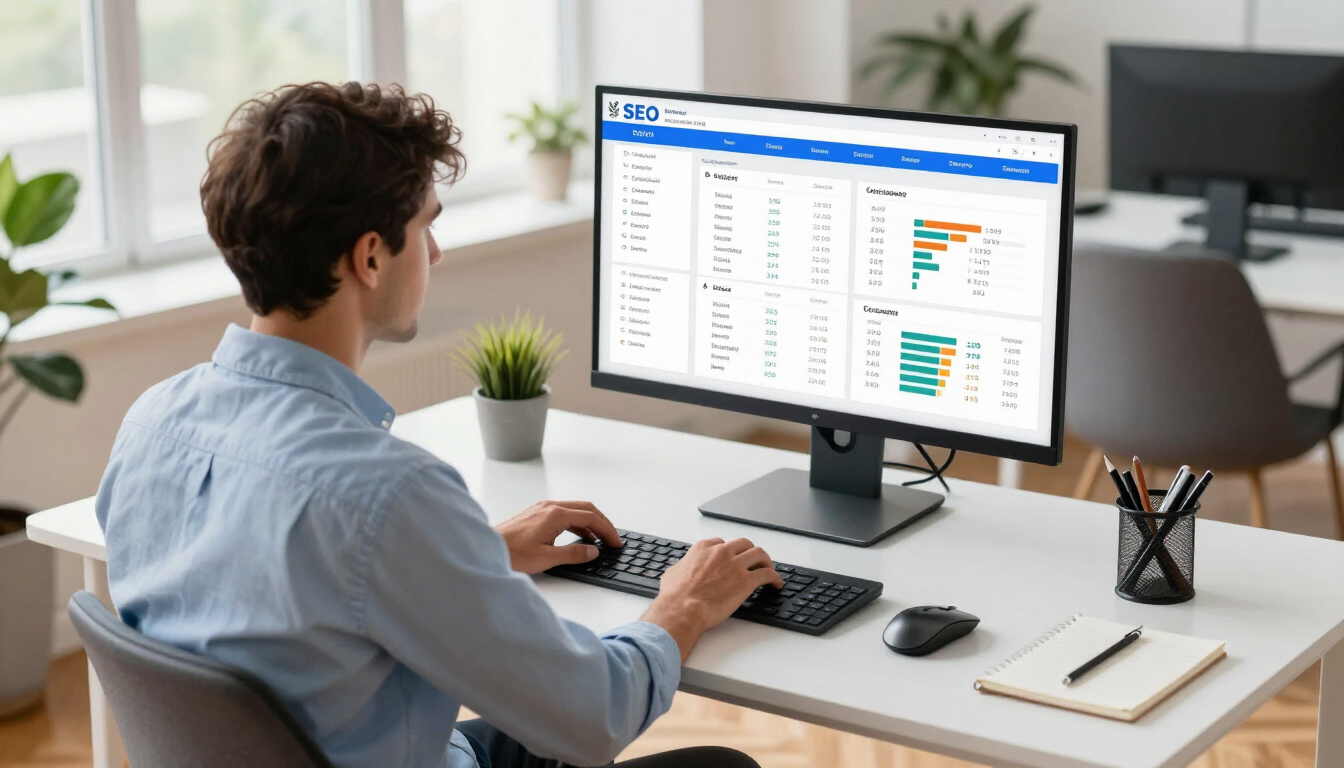
SEO expert analyzing local competition data.
24 August 2026
Learn how to ethically analyze your local competitors' SEO strategies to rank higher in South Africa and win more customers today.

Comparison of Local SEO and Paid Advertising for small businesses.
24 August 2026
Compare Local SEO vs. Paid Ads to find the best investment for your small business. Learn about ROI, speed, and long-term growth in the South African market.
Minimalist map pin icon on a mobile screen representing local SEO.
24 August 2026
Master NAP consistency to improve your local SEO. Learn why Name, Address, and Phone uniformity is vital for South African businesses to rank on Google.

Smartphone displaying local search results in a South African city setting.
24 August 2026
Discover what 'near me' searches are and how to optimize your South African business for local SEO to appear in top Google results and drive foot traffic.

Google Business Profile on a smartphone screen showing local search results.
24 August 2026
Master Google Business Profile Optimisation in 2025. Learn how to rank higher in South African local search, attract more customers, and drive growth with our step-by-step guide.
Smartphone showing Google Maps visibility for a local business
24 August 2026
Learn why your business isn't showing up on Google Maps and how to improve your Google Maps visibility with proven local SEO strategies and tips for 2026.

Small business owner in South Africa optimizing local SEO on a laptop in a bright office.
24 August 2026
Discover what local SEO is and why it's more critical for small businesses than traditional SEO. Learn how to dominate local search results in South Africa.